
A Timely Reminder: Every Asset Class Has Its Cycle
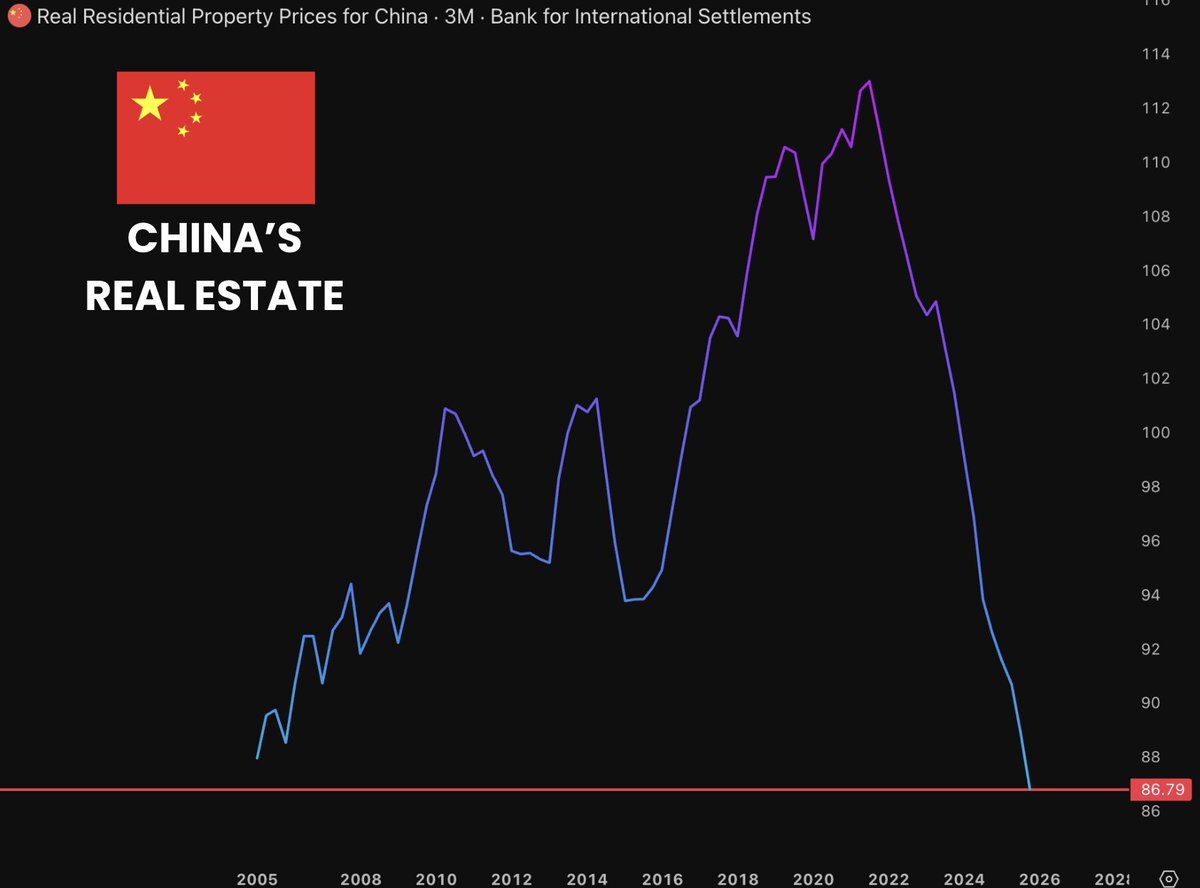
The recent downturn in China’s real estate market has once again reminded us of a fundamental truth—no asset class is immune to volatility.
Whether it is real estate, gold, or equities, every asset class goes through cycles of growth, stagnation, and correction. Yet, when it comes to investing, many decisions are often driven by recent performance and preconceived beliefs, rather than long-term fundamentals.
Investors naturally tend to chase high returns in short durations, assuming that certain asset classes will continue to outperform indefinitely. However, history shows that assets can remain overvalued or undervalued for extended periods, testing both patience and discipline.
China’s real estate slowdown highlights an important risk—even traditionally “safe” assets like property can face prolonged corrections and liquidity challenges. This is especially relevant in India, where real estate is often perceived as a stable, ever-appreciating investment.
At the same time, many Indian households remain underinvested in financial assets like equities due to the fear of visible volatility, while comparing them with recently outperforming assets on a short-term basis.
The Real Key is Asset Allocation. Successful investing is not about predicting which asset will perform next—it is about allocating wisely across asset classes. Equity investments go through business cycles before delivering meaningful returns. Real estate can face liquidity constraints and long correction phases Gold can remain range-bound for years, despite being considered a safe haven This is where diversification becomes essential.
Mutual funds offer a structured way to navigate volatility by:
👉 Diversifying across sectors and asset classes
👉 Providing professional fund management
👉 Reducing the impact of extreme market movements
👉 Options like multi-asset funds or balanced funds further help by combining equity and debt, ensuring a smoother investment journey.
Markets will always present opportunities—across sectors, theme and diversified asset classes. The goal is not to avoid volatility, but to manage it intelligently and right fund selection.
“Wealth is not created by chasing returns, but by staying disciplined through cycles.”